Tags :
Regenerative Braking
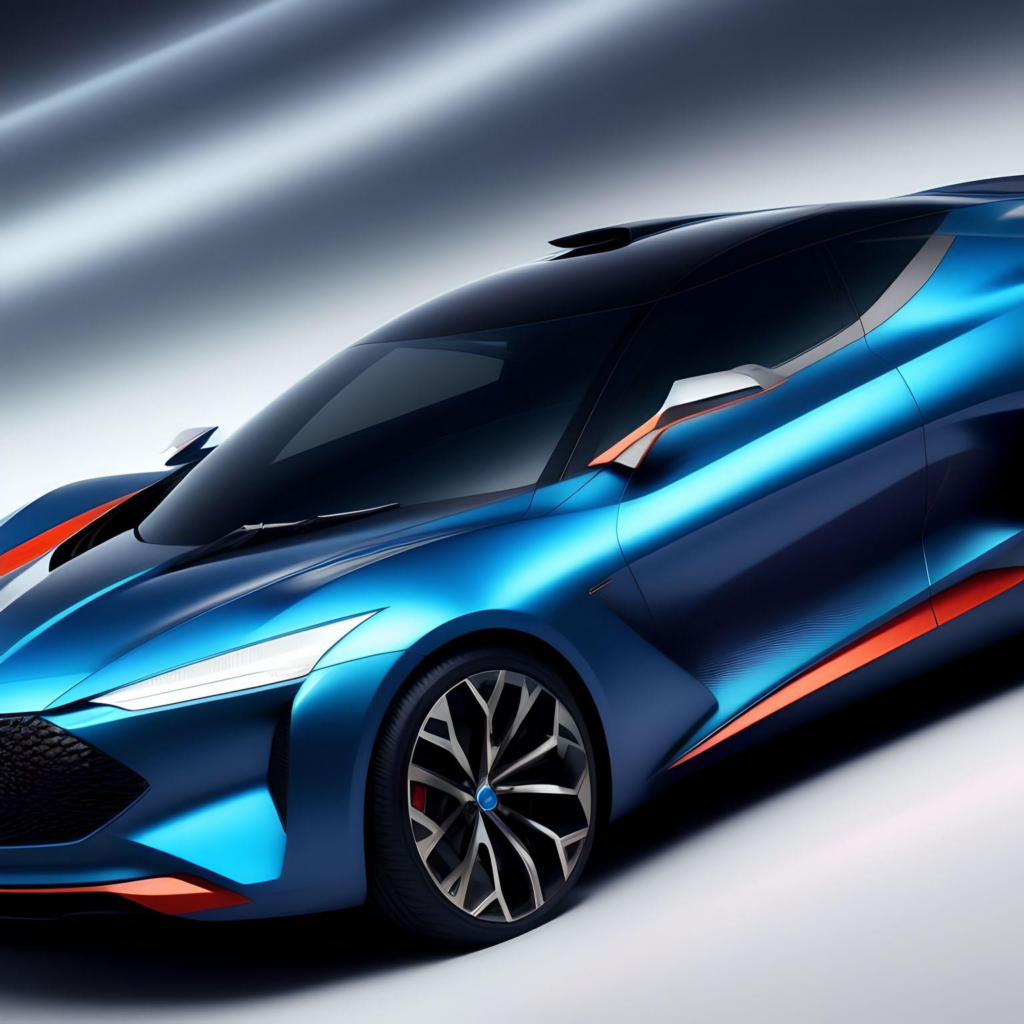
As the world continues to seek sustainable solutions for transportation, hydrogen has emerged as a promising alternative fuel source for automobiles. With its potential to revolutionize the automotive industry, several companies are leading the way in the development of hydrogen-powered vehicles. This article delves into the advancements in hydrogen fuel technology, the benefits it offers, the feasibility of its widespread adoption, and how it can significantly improve the environment by eliminating pollution emissions.
Advancements and Leading Companies: Several companies have made significant strides in advancing hydrogen fuel cell technology for cars. Among them, Toyota has been at the forefront with its Mirai model, which uses a fuel cell stack to convert hydrogen into electricity, powering an electric motor. Honda is also actively developing hydrogen fuel cell vehicles, with their Clarity Fuel Cell model gaining recognition. Other notable players include Hyundai, which launched the Nexo, and BMW, which unveiled the i Hydrogen NEXT prototype.
Benefits of Hydrogen as a Fuel:
Possibility of Widespread Adoption: While hydrogen as a fuel for cars has shown great promise, several challenges remain for its widespread adoption. The primary hurdles include the establishment of a hydrogen infrastructure, including production, storage, and distribution facilities. Furthermore, the cost of fuel cell vehicles and hydrogen production must be reduced to make them more accessible to consumers. However, with ongoing research, technological advancements, and collaborations between industry and governments, these obstacles can be overcome.
Environmental Impact: The environmental benefits of hydrogen-powered vehicles are significant. By eliminating harmful emissions such as carbon dioxide, nitrogen oxides, and particulate matter, hydrogen cars have the potential to greatly improve air quality and mitigate climate change. The production of hydrogen from renewable energy sources further enhances its environmental credentials, ensuring a sustainable and low-carbon future for transportation.
In a significant development towards the advancement of hydrogen fuel cell technology, BMW has unveiled its latest prototype, the i Hydrogen NEXT. This innovative vehicle showcases BMW’s commitment to exploring alternative fuel sources and offers a glimpse into the potential future of sustainable transportation.
The i Hydrogen NEXT is a hydrogen-powered prototype car that utilizes a fuel cell stack to convert hydrogen gas into electricity, which then powers an electric motor. This technology allows for zero-emission driving, as the only byproduct produced is water vapor. With this prototype, BMW aims to demonstrate the feasibility and potential of hydrogen as a clean and efficient fuel source for automobiles.
Key Features of the BMW i Hydrogen NEXT Prototype:
Future Outlook and Potential Impact:
The unveiling of the i Hydrogen NEXT prototype represents a significant step forward in BMW’s efforts to explore sustainable mobility solutions. While the prototype serves as a demonstration vehicle, it holds the potential to pave the way for future hydrogen-powered production models. The advancements made in hydrogen fuel cell technology through projects like this have the capacity to transform the automotive industry and contribute to a greener and more sustainable future.
BMW’s dedication to hydrogen fuel cell technology aligns with global efforts to reduce greenhouse gas emissions and combat climate change. By utilizing hydrogen as a clean and efficient fuel source, the i Hydrogen NEXT prototype has the capability to contribute to improved air quality and reduced carbon footprints.
As research and development in hydrogen fuel cell technology continue to progress, collaborations between automakers, governments, and other stakeholders become vital in establishing the necessary infrastructure and support systems for hydrogen-powered vehicles.
Hydrogen fuel holds immense potential as a clean, efficient, and versatile alternative for powering automobiles. While several companies are making remarkable progress in developing hydrogen-powered vehicles, overcoming infrastructure challenges and reducing costs are crucial for widespread adoption. If these obstacles are successfully addressed, hydrogen fuel could play a pivotal role in creating a greener transportation sector, providing cleaner air and a healthier environment for future generations.
Tags :
Share This :
If you have any questions or need further information regarding the content of my blog, I am here to help! Feel free to ask anything related to the topics discussed or seek clarification on any points that may require further elaboration. Your curiosity and engagement are highly valued, and I’ll do my best to provide prompt and informative responses. Don’t hesitate to reach out and make this blog an interactive space where we can exchange ideas and knowledge. Your questions are always welcome, so let’s dive deeper into the subject matter together!
Car audio, window tinting, alarm installation, remote start, key and computer programming, ADAS calibration, and electrical problem repairs. We guarantee high-quality workmanship and exceptional customer service. Call us now, and let’s upgrade your car together!

(202) 503-7199

lebronscaraudio@gmail.com

Follow Us on Social Media for More Information, Project Views, and Updates.
A newsletter about our website for car audio, security, and programming would be a great way to keep our customers informed and engaged. It could include updates on new products and services, promotions, and helpful tips and advice for car owners looking to upgrade their audio or security systems.
Accounting Firm Themes by Jegstudio
Copyright © 2022. All rights reserved.
